
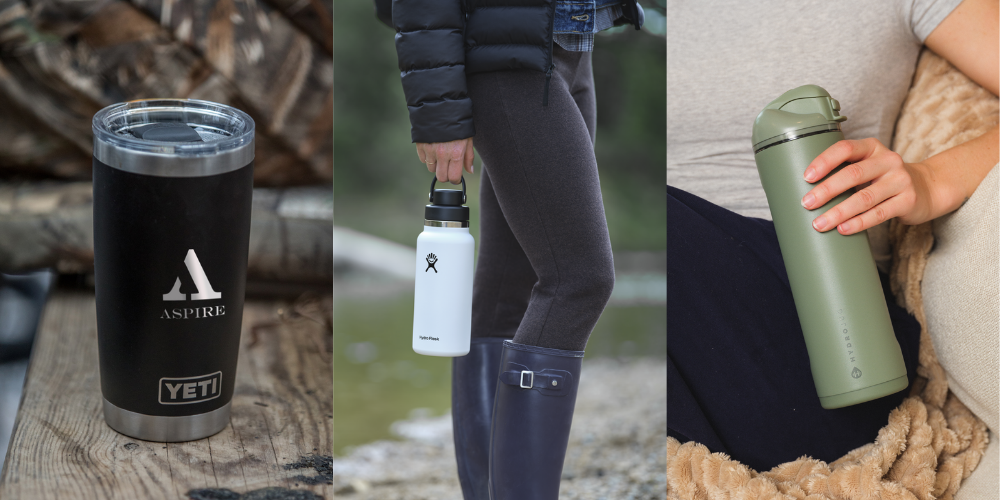
 Drinkware has long been a favorite among branded promotional item categories—an accessory that makes a statement that its owner is a member of the current in crowd.
It seems that every season there is a new drinkware brand that everyone is desperate to get their hands on. In the not-too-distant past it was Yeti or Stanley; today Owala is so popular that the promotional industry can’t meet the demand or keep the shelves stocked.
Drinkware has a long and interesting history, with favorites coming and going so quickly that a disruptive brand today might be rejected tomorrow as trends head in a new direction. In this blog, we’ll explore where it all started and offer predictions on where it might be headed.
The Trending Drinkware Timeline
A stroll through the list of trending drinkware is certain to trigger fond memories of once must-have names. Here’s a timeline of brands you’re almost certain to remember—and some you may not.
 CamelBak
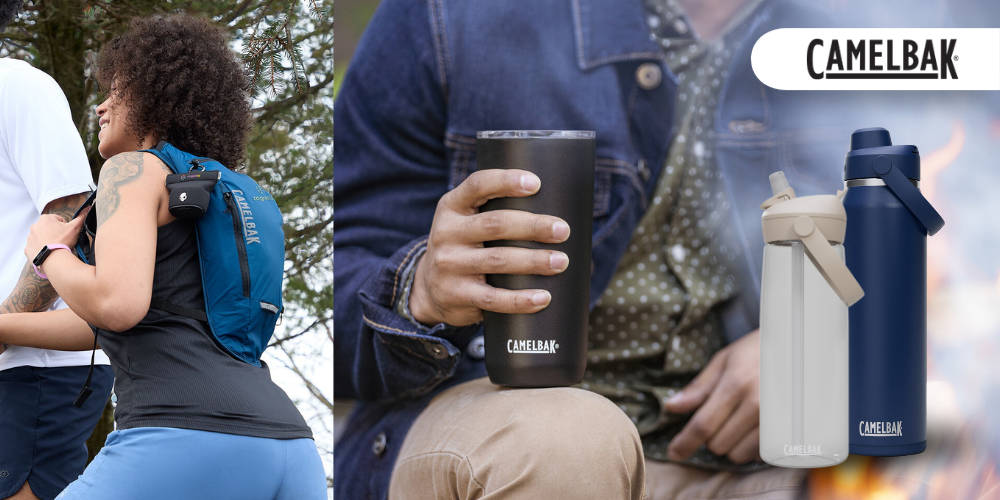
While the CamelBak brand has been around since the 1990s, they weren’t originally a member of the drinkware category.
Founded as a symbol of the outdoorsy lifestyle, CamelBak’s original product was the hydration pack, used primarily by hikers and bikers. While this niche product never went fully viral, it was still a tremendous success among its target audience, making up a large portion of the company’s sales in the first five years.
CamelBak fully embraced drinkware in the late 2000s and, thanks largely to the power of social media, remained a popular brand through the early 2010s.
 Contigo
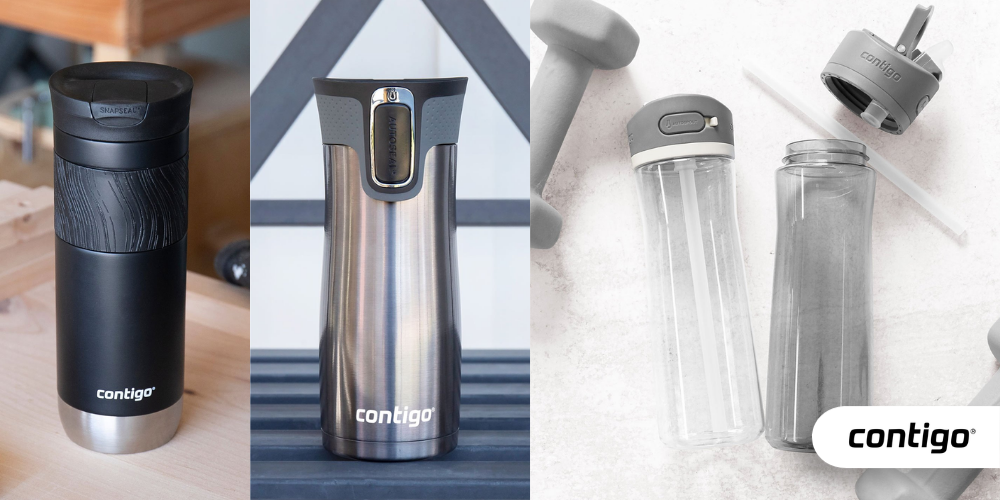
A favorite of commuters, Contigo is widely regarded as the pioneer of leak-proof drinkware. Initially a popular choice for kids, gym rats, and the working class thanks to its no-spill design, Contigo was adopted as a practical and reliable lifestyle-driven brand in the early to mid-2010s.
Contigo was acquired by Newell Brand, the owner of Coleman, Rubbermaid, and Yankee Candle, in 2014.
 YETI Drinkware
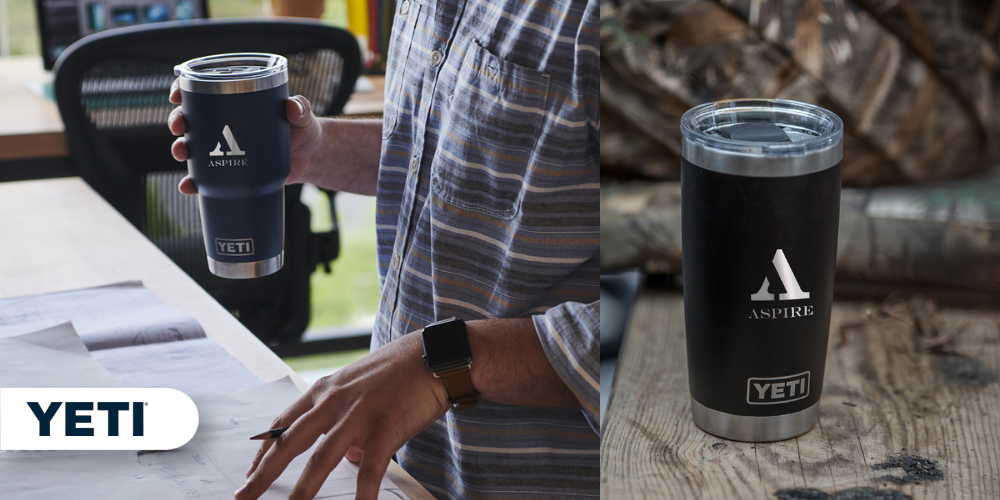
A phenomenon in the late 2010s, YETI was one of the first cooler brands to enter the drinkware industry.
The company introduced the wildly popular Rambler tumbler in 2014, a model that still enjoys tremendous success today. Already trusted by users for the durability and longevity of their coolers, YETI expanded into to drinkware in the mid-2010s, originally targeting fishermen, hunters, and other outdoor enthusiasts. One of the first companies to incorporate insulation and stainless steel into their products, YETI drinkware soon gained a reputation for its superior temperature retention, making it a staple among the commuter and tailgating crowd.
 Hydro Flask
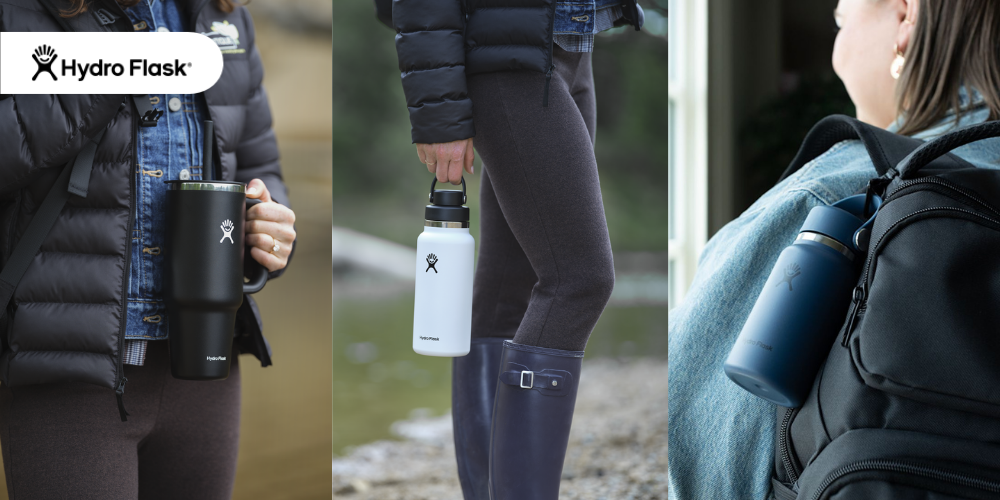
Hydro Flask was one of the first truly mainstream drinkware brands—a sturdy, durable insulated bottle that kept beverages cold all day and featured an unusually large capacity that it didn’t need to be refilled frequently, making it a favorite among students. It seemed virtually everyone had one, displaying their favorite lid, color, and boot on the bottle.
Hydro Flask also had the distinction of being the first drinkware brand to go viral on social media around 2015, especially among the younger generation which preferred eco-friendly reusable drinkware over the plastic bottles that were widely used at the time.
This brand is still widely used today, with new designs like their Micro Hydro water bottle. They have also expanded into new product categories such as cooler bags and totes.
 S'well Bottles
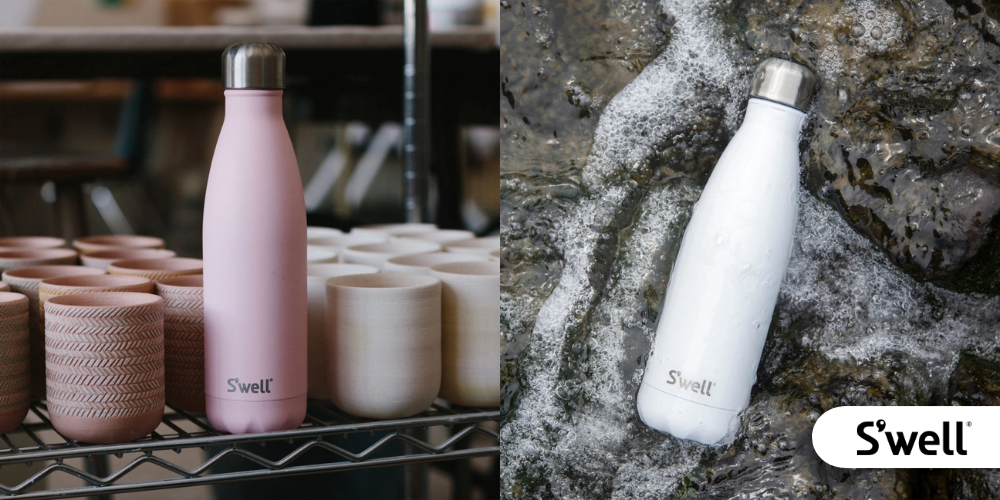
A brief but impactful trending drinkware trend between 2016 and 2019, S’well was the first brand to position itself as a “hydration accessory” and not just a water bottle.
The bottle’s sleek design became a functional yet fashionable drinkware accessory that was copied by many off-brand manufacturers, ultimately ending the brand’s brief cultural relevance.
 Brümate
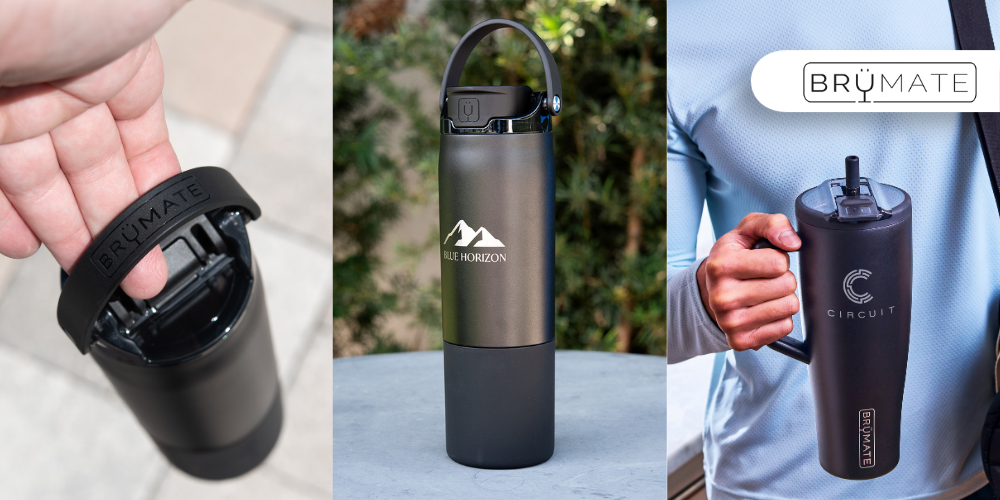
Launched in 2016 and enjoying a resurgence as recently as 2023, Brümate was originally known for the revolutionary Hopsulator, a stainless steel 12 oz. can insulator that had never been seen before.
Unlike other drinkware companies that focused on sports and daily hydration, Brümate originally focused on adults-only drinkware such as wine tumblers and insulated cups. With the Hopsulator, the company used social media and online marketing to build awareness and demand among younger consumers. They kept their style sleek, stylish, and monochromatic, producing a product that would look stylish at social events or anywhere else.
In 2023, Brümate introduced the popular Era tumbler with a leak proof straw, something competitors were missing, making it the most popular insulated straw tumbler on the market.
 Stanley
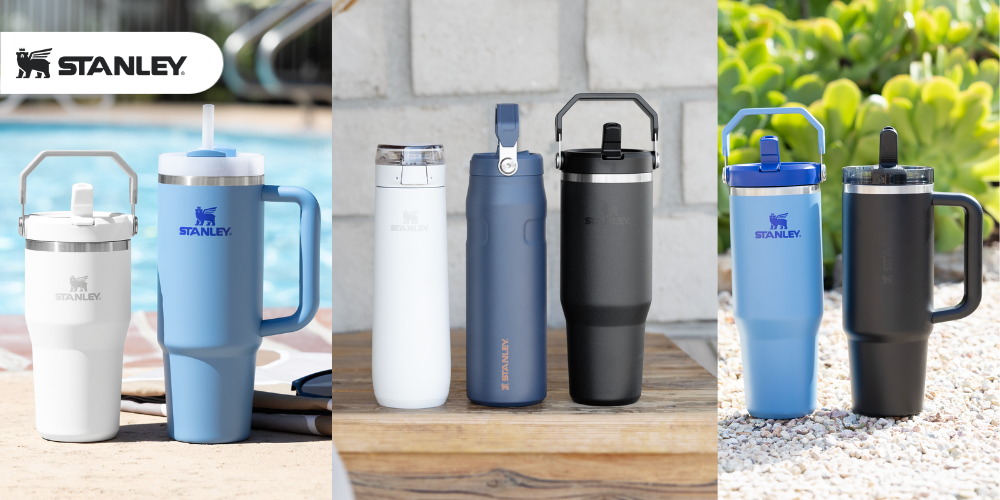
While Stanley launched its infamous Quencher tumbler in 2016, the brand’s popularity didn’t peak until 2020 when the company turned to influencers to help with promotion.
The Quencher soon became a status symbol—the must-have, hard-to-get product that had people waiting in line or storming the stores to get one in their favorite color. Before long it was a collector’s item, like Jordan sneakers
What made this tumbler so popular? Its size and functionality. It is a 40 oz. container that doesn’t need to be refilled very often but still fits in a car’s cup holder. The straw made it easy for users to freely sip their beverage without having to open the lid, like they would with a water bottle. The handle made it easy to hold and take everywhere.
If that isn’t enough, Stanley cleverly releases new versions in trending colors and patterns, ensuring the product remains in demand. While not as popular as it was in the early 2020s, it’s still a coveted brand.
 Owala
Owala
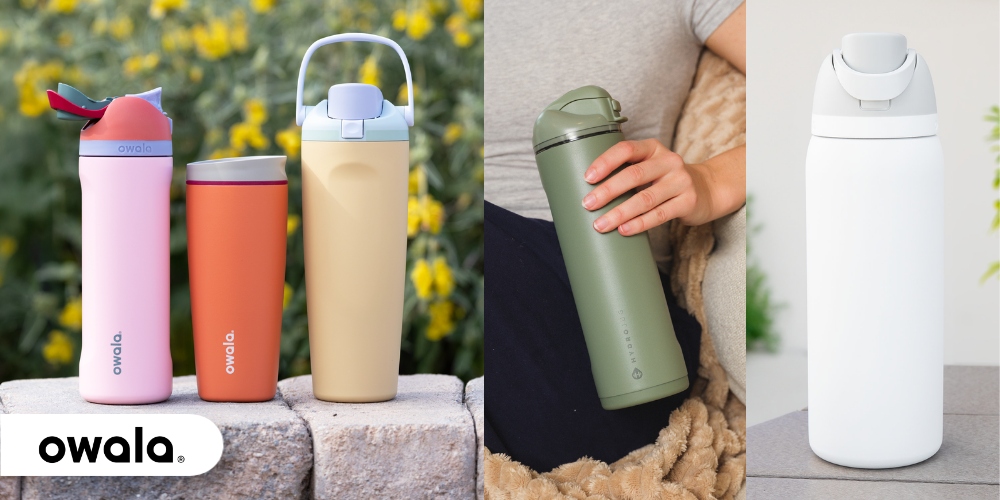
Since its debut in 2020, the Owala FreeSip bottle has been virtually impossible to keep in stock. Its scarcity and collectability have made it a consistent favorite, following the Stanley Quencher marketing model.
The bottle’s unique and bold color combinations, punctuated by limited-edition color drops, make it a true collector’s item. Leak-proof with a push-button lid, compact enough to fit in cupholders and bags, dual-functional access with a straw for those who like to sip or the wide opening for those who want to chug all combine to make the FreeSip Gen Z’s favorite water bottle.

Other Brands on the Horizon
What does the future hold? What brands are waiting in the wings for their chance to shine? Here are some names to look out for; trends suggest they may be the next big thing in drinkware.
 Frost Buddy
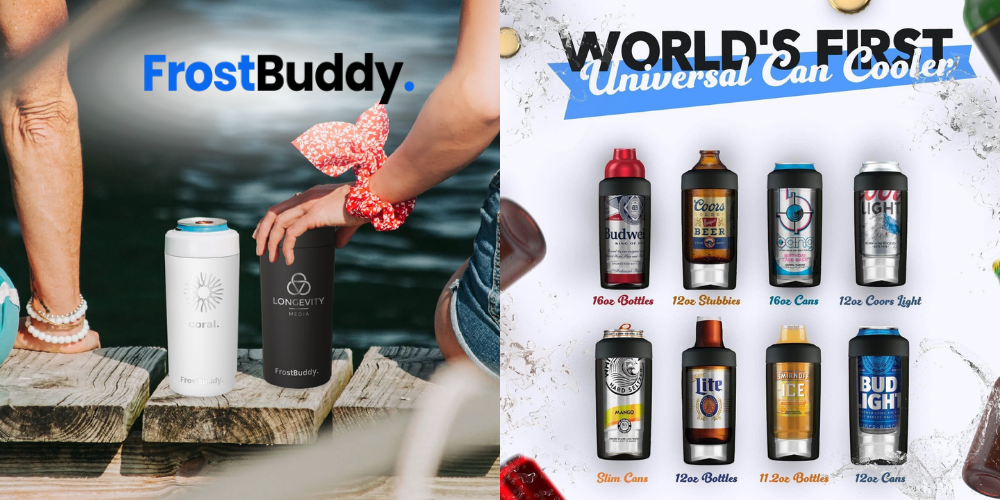
This brand is not new; in fact, they have been around for a bit. However, they have grown steadily in popularity as they expanded their product line and signed licensing partnerships with professional sports leagues such as MLB, the NHL, and the NCAA.
Frost Buddy went viral on TikTok and Instagram with their Universal Buddy Can Cooler, a first-of-its-kind insulated cooler that fits almost every sized can or bottle. More recently, the company introduced their To-Go Buddy universal can coolers and Thicc Buddy mug, which includes a Chapstick compartment in the handle along with a clip for keys.
 Ringo
Ringo
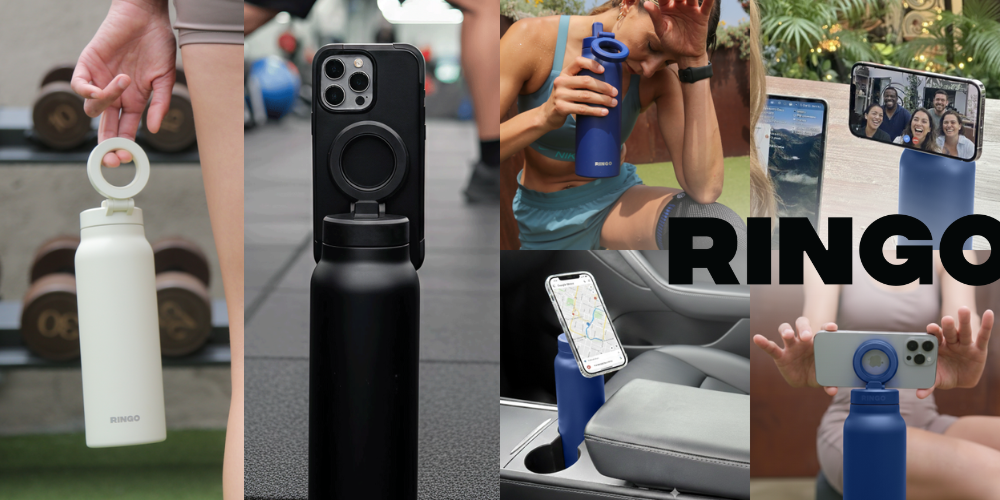
The Ringo Pro is the next favorite water bottle of social media influencers. It’s cupholder friendly and features a MagSafe carrying handle that allows you to mount your phone or tablet for stable, hands-free filming or viewing. It’s like having a tripod with you all the time, and the handle stays stable and rigid even when empty.
 Topl
Topl
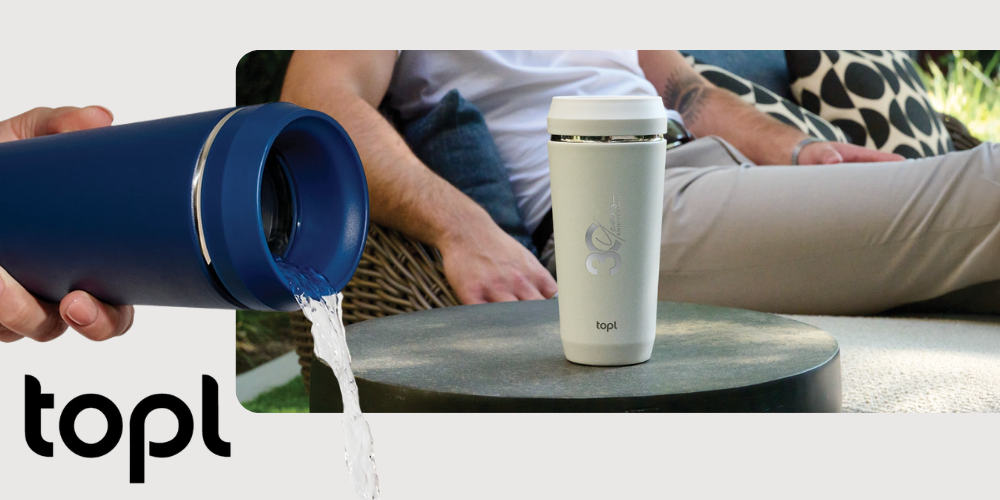
The Topl mug is a unique coffee tumbler that’s been featured on a number of morning shows recently. The mug features a 360-degree glass lid that can be poured over with no backsplash while allowing you to see how much liquid is left without having to open the lid.
Near-field communication (NFC) technology built into the bottom of the tumbler allows you to share your website or other information just by tapping the tumbler on someone’s phone.
OnFulfillment Can Help You Find Your Favorite Drinkware
Ready to find your next drinkware branded giveaway? OnFulfillment can help. We have access to the widest array of drinkware products, including long-time favorites as well as emerging upstarts. We’ll help walk you through the process and find the gift that sends just the right message to customers, prospects, and employees.